

Last Updated on June 22, 2026 by AMH
Uber Officially Arrives in Nepal, Expanding Ride-Hailing Options
The global ride-hailing giant, Uber, has officially launched its services in Nepal, marking a significant expansion into the South Asian market. While informal operations began in the first week of Jestha (mid-May), the company celebrated its official commencement of services on Friday, May 24th, 2024. This launch makes Nepal the 11th market for Uber in the Asia-Pacific region, bringing a familiar and widely used platform to Nepali commuters and tourists alike.

Comprehensive Service Offerings for Nepal
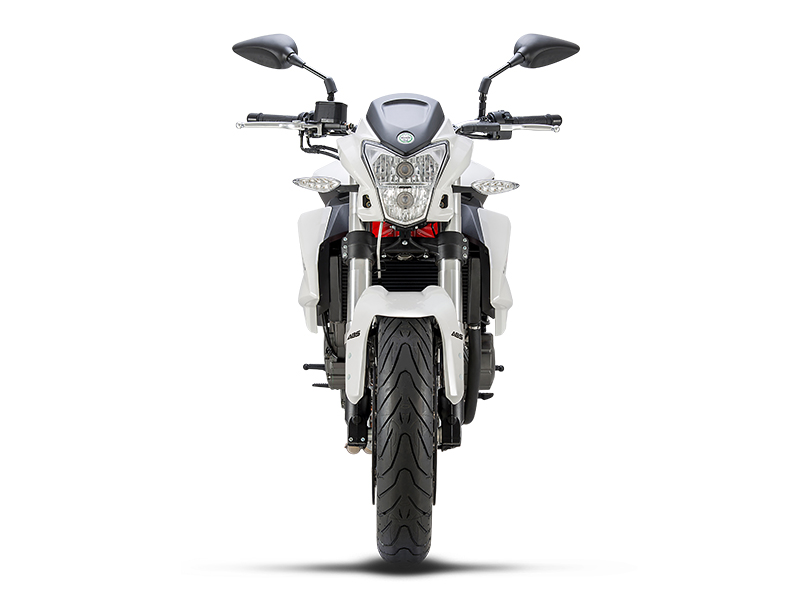
Uber is entering the Nepali market with a multi-modal approach, catering to diverse transportation needs. The company is offering services for both two-wheeled and four-wheeled vehicles. For private car users, Uber is introducing two options: Uber Go, designed for everyday travel, and Uber Comfort, likely offering a more premium experience with newer or larger vehicles. For shorter distances and more budget-conscious riders, Uber Bike provides a convenient motorcycle-based ride-hailing service.

This integrated approach aims to provide a seamless experience for both locals and international visitors. Travelers can now access reliable transportation through a single, globally recognized app, enhancing convenience and potentially reducing the hassle of navigating local transport options.
Strategic Importance and Market Potential
Dominic Tyler, Uber’s Regional General Manager (Rides) for APAC, highlighted the significance of Nepal’s entry into Uber’s global network. He cited Nepal’s rapidly growing urbanization, increasing digital penetration, and the burgeoning tourism sector as key factors making the country an attractive market for ride-hailing services.
“Nepal is a significant milestone in our global expansion journey,” Tyler stated. “The country’s dynamic growth, coupled with a tech-savvy population and a vibrant tourism industry, presents a unique opportunity for Uber to contribute to the local mobility landscape.”
Phased Rollout and Future Expansion Plans
Currently, Uber’s services are concentrated in the capital city, Kathmandu. However, the company has a clear strategy to gradually expand its operations to other urban centers across Nepal in the coming months and years. This phased approach will allow Uber to understand and adapt to the specific needs and challenges of different Nepali cities.
With a presence in over 70 countries worldwide, Uber brings a wealth of experience in managing complex urban logistics and a robust technological platform to Nepal. This global expertise is expected to be a key asset as they navigate the local market.
Navigating the Competitive Landscape in Nepal
The launch of Uber intensifies the competition in Nepal’s already active ride-sharing market. Local players like Pathao and inDriver, along with others like Yango, have established a significant user base and operational presence. The arrival of a global giant like Uber is poised to shake up the market dynamics.
This increased competition is largely beneficial for consumers. Passengers can expect more choices, potentially leading to competitive pricing, improved service quality, and greater availability of rides. For drivers, it could mean more earning opportunities, although they will also face increased competition from fellow drivers on various platforms.
What This Means for Nepali Commuters and Tourists
For daily commuters in Kathmandu, Uber offers another reliable option for getting around the city. The availability of different service tiers (Go, Comfort, Bike) allows users to choose based on their immediate needs and budget. The ease of using a familiar app interface can be particularly appealing to those accustomed to digital services.
For tourists visiting Nepal, Uber’s presence is a welcome development. It provides a sense of familiarity and security, knowing they can access transportation through a globally trusted platform. This can alleviate concerns about navigating unfamiliar environments and dealing with potential language barriers or price negotiations with traditional taxis.
Considering the Nepali Context: Road Conditions and Infrastructure
While Uber’s arrival is exciting, it’s essential to consider the realities of Nepal’s infrastructure. Kathmandu’s roads, often characterized by traffic congestion and varying conditions, present unique challenges for ride-hailing services. Uber’s algorithms and driver training will need to be adapted to local realities.
The availability and quality of charging infrastructure are also crucial, especially with the growing interest in electric vehicles (EVs) in Nepal. While Nepal has made strides with over 1200 charging stations planned or operational under the NEA network and significant investment from brands like BYD, Hyundai, MG, and Tata, the widespread adoption of EVs for ride-hailing services will depend on further infrastructure development and government incentives. Currently, the primary fleet will likely consist of gasoline-powered vehicles.
Service Centers and Maintenance
Reliable vehicle maintenance is key to the success of any ride-hailing service. With major automotive distributors like Sipradi Trading (Tata) and Laxmi Intercontinental (Hyundai) having established service networks, drivers using these brands will likely have access to qualified maintenance. However, for a diverse fleet, ensuring consistent and accessible service points across Kathmandu will be crucial for Uber and its driver partners.
Pricing and Future Expectations
Specific pricing details for Uber Go, Uber Comfort, and Uber Bike in Nepal have not yet been fully detailed. However, based on global operations and the competitive landscape, users can expect pricing to be competitive with existing ride-sharing platforms. Uber often employs dynamic pricing based on demand, time of day, and distance.
Expected Price Range (Indicative, subject to official confirmation):
- Uber Bike: Likely to be the most affordable option, comparable to existing bike-hailing services, perhaps starting around Rs. 50-70 for short trips.
- Uber Go: Expected to be priced competitively with standard ride-sharing services, with base fares potentially starting around Rs. 80-100 and per-kilometer charges.
- Uber Comfort: This premium service will likely command higher fares, reflecting the better vehicle quality and potentially more space, possibly starting Rs. 120-150 or more.
Actual fares will be visible within the app before booking, allowing users to make informed decisions.
Conclusion for Nepali Buyers and Users
Uber’s arrival in Nepal is a positive development, offering more choices and potentially better services for urban transportation. For riders, it means greater convenience, competitive pricing, and the familiarity of a global brand. For drivers, it presents new earning opportunities, though increased competition must be managed.
As Uber expands beyond Kathmandu, its success will depend on its ability to adapt to local conditions, maintain service quality, and offer competitive value. Nepali consumers are the ultimate winners, gaining more options in an increasingly dynamic mobility market. It will be interesting to see how Uber integrates with Nepal’s evolving transportation ecosystem, including the gradual shift towards electric mobility and the expansion of digital infrastructure.