Last Updated on June 22, 2026 by AMH
MG ZS EV Price Adjustment in Nepal Amidst New EV Taxes
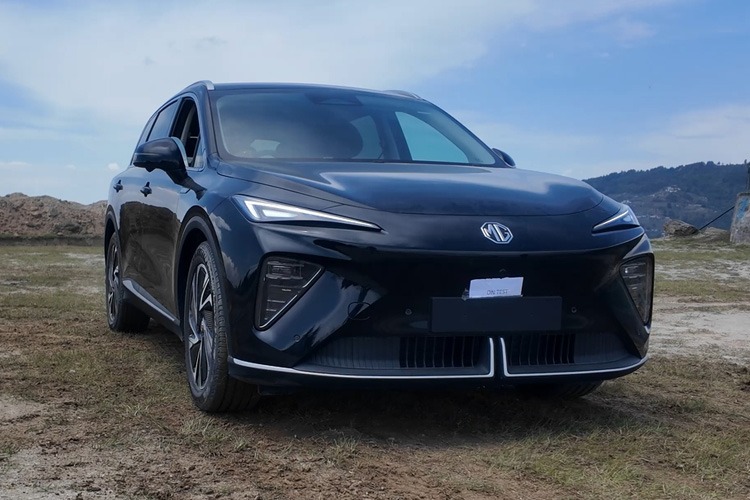
The Nepalese electric vehicle (EV) market is experiencing its first significant price adjustment of the year, with Paramount Motors announcing an increase in the price of the popular MG ZS EV. This move comes in direct response to the government’s recent decision to revise taxation policies on electric vehicles, impacting the final retail price for Nepali consumers.
Understanding the Price Hike
Launched just last month, the MG ZS EV initially hit the Nepali market with a competitive price tag of NPR 69,99,000. However, the recent tax revisions have necessitated a price adjustment. Paramount Motors has indicated that the price will increase by at least NPR 2,00,000. While the exact final figure is still being determined, the company suggests the increase could range anywhere from NPR 2,00,000 to NPR 4,00,000. This translates to a potential rise of up to 7% on the ZS EV, primarily due to new tax categories introduced by the government.

Related: iCaur V23 Price in Nepal: Luxury, Performance, and the New Market Reality
Related: BYD Car Prices Hiked in Nepal: New 2026 Price List for Atto 1, Atto 2, Atto 3, and Sealion 7
The company has already begun accepting bookings at the revised, higher prices at its showrooms. This proactive approach aims to manage customer expectations and ensure transparency regarding the new pricing structure.
Competitive Positioning in the Nepali Market
Despite the price increase, the MG ZS EV remains a strong contender in its segment. Positioned in the body size category that typically sees vehicles priced between NPR 85 Lakhs and over 1 Crore, the ZS EV’s adjusted price is still considered competitive when compared to its rivals. This strategic pricing has been a key factor in its initial appeal to Nepali buyers looking for a well-equipped and capable SUV.
Impact of Revised Tax Structure on EVs in Nepal
The previous tax structure for vehicles in this segment included a customs duty of 30%, excise duty of 20%, and a road construction tax of 5%. The new policy shifts these figures, with customs duty now at 20%, a significant increase in clean energy tax (35%), and the road construction tax remaining at 5%.
These changes directly affect the landed cost of imported EVs, forcing manufacturers and distributors like Paramount Motors to recalibrate their pricing strategies. For consumers in Nepal, this means that the cost of owning an EV, particularly premium models, is likely to see an upward trend in the short to medium term.
MG ZS EV: A Closer Look at the SUV
The MG ZS EV is a mid-size SUV, measuring 4.7 meters in length, making it a practical choice for various driving conditions in Nepal, from city commutes to highway journeys. Under the hood, it boasts a powerful 180 kW electric motor, positioning it as one of the most potent SUVs in its class available in the Nepali market.
Performance and Range: Meeting Nepali Demands
Beyond its raw power, the ZS EV is also gaining attention for its impressive range, a crucial factor for EV adoption in Nepal given the developing charging infrastructure. It is equipped with a substantial 77 kWh NCM battery pack. This large battery capacity translates to a WLTP-certified range of 530 kilometers on a single charge. This range is more than adequate for daily commutes and even longer inter-city trips across Nepal, alleviating range anxiety for many potential buyers.
Charging Capabilities: Convenience for Nepali Users
Addressing the charging needs of Nepali EV owners, the MG ZS EV supports fast charging. It can handle DC fast chargers up to 144 kW. According to MG, a compatible DC charger can replenish the battery from 10% to 80% in approximately 38 minutes. This relatively quick charging time is a significant advantage, especially as the charging network across Nepal, spearheaded by entities like the Nepal Electricity Authority (NEA) with over 1200 charging stations, continues to expand.
Interior and Technology Features
The interior design of the MG ZS EV shares a strong resemblance with the MG 5, offering a familiar and well-appointed cabin. Key features include a large 12.8-inch central infotainment screen, an 11-speaker audio system for an immersive sound experience, heated seats for comfort during colder months, a panoramic sunroof to enhance the sense of space, and a front trunk (frunk) for additional storage – a practical addition for an EV.
Advanced Tech for a Smarter Drive
Technologically, the ZS EV is well-equipped to offer a modern driving experience. It features adjustable regenerative braking, allowing drivers to customize energy recovery settings. The convenience of one-pedal driving is also present, simplifying city driving. Additionally, an optional ‘Rain Night Mode’ is available, enhancing visibility and safety during adverse weather conditions, which can be particularly useful on Nepal’s diverse terrain.
Navigating the Nepali EV Landscape
The MG ZS EV’s price adjustment highlights the dynamic nature of the EV market in Nepal. While the initial pricing was attractive, government policies play a significant role in shaping affordability. Brands like BYD (represented by Cimex), Hyundai (Laxmi Intercontinental), and Tata (Sipradi) are also key players, each navigating similar challenges and opportunities.
For prospective buyers in Nepal, understanding these market dynamics is crucial. The availability of service centers across major cities and the ongoing expansion of charging infrastructure by NEA are vital considerations for long-term ownership satisfaction. The ZS EV, with its blend of performance, range, and technology, remains a compelling option, but buyers will now need to factor in the revised price point.
Conclusion for Nepali Buyers
The MG ZS EV’s price increase is a clear signal of the evolving EV landscape in Nepal, influenced heavily by government fiscal policies. While the added cost might be a deterrent for some, it’s essential to weigh this against the vehicle’s overall value proposition, including its performance, range, and features, especially considering the context of Nepal’s unique road conditions and growing need for sustainable transport. Potential buyers should consider the new pricing, compare it with other available EVs from brands like Hyundai, Tata, and BYD, and evaluate how the expanded charging network and service availability align with their personal usage patterns before making a purchase decision.