
Last Updated on September 27, 2026 by alizni
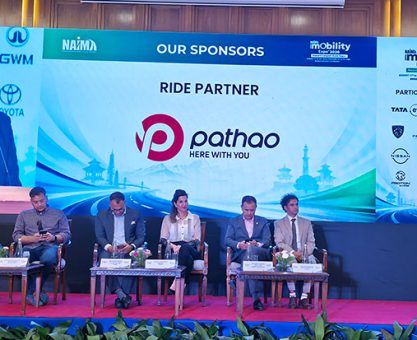
The automobile sector in Nepal serves as a critical pillar of the nation’s economy, facilitating transport, logistics, and private mobility. However, industry stakeholders are currently facing significant regulatory hurdles that threaten to stifle growth and operational efficiency. Recently, the Nepal Automobile Importers and Manufacturers Association (NAIMA) took a proactive step by engaging with government leadership to address these pressing concerns regarding agency registration regulations.

The Core Challenges in Agency Registration
For automobile importers, the process of registering an agency is often fraught with bureaucratic complexities. These existing rules, which were designed in a different economic climate, often fail to account for the modern needs of global brand representation and supply chain management. NAIMA representatives highlighted that current mandates impose unnecessary administrative burdens, leading to delays in bringing new vehicles and technologies into the Nepali market. These bottlenecks not only discourage potential investors but also hinder the introduction of newer, more efficient, and environmentally friendly vehicles to the local consumers.
NAIMA’s Strategic Dialogue with the Ministry
In a formal meeting with the Minister of Industry, Commerce and Supplies, Damodar Bhandari, the NAIMA delegation presented a clear roadmap for reform. The discussion centered on creating a more business-friendly ecosystem that prioritizes ease of doing business while maintaining necessary regulatory oversight. By advocating for a streamlined registration process, NAIMA aims to reduce the time-to-market for imported vehicles. The association emphasized that the current framework needs to be flexible enough to adapt to the rapidly evolving global automotive landscape, where electric vehicles (EVs) and advanced safety features are becoming the standard.
Fostering a Growth-Oriented Automotive Industry
The automotive industry is not merely about selling cars; it is about creating jobs, ensuring safe transport, and supporting the national economy through tax revenue. NAIMA’s initiative is rooted in the belief that when the government and the private sector align their goals, the entire economy benefits. By simplifying agency registration, the government can encourage more international manufacturers to view Nepal as a viable market. A more transparent and efficient registration system would also empower local importers to focus on customer service, after-sales support, and infrastructure development, such as building robust charging networks for electric vehicles.
The Path Forward for Reform
The request from NAIMA is timely, especially as Nepal transitions toward a more digitized and efficient economic model. Minister Bhandari acknowledged the concerns raised by the association, indicating a willingness to review the current policies. For the automotive industry to thrive, the government must move away from rigid, legacy regulations toward a dynamic policy framework that supports innovation. Industry experts believe that if the suggested reforms are implemented, it will lead to a more competitive market, ultimately offering Nepali consumers better choices, improved vehicle safety, and more affordable pricing structures.
Conclusion
The push by NAIMA for business-friendly agency registration rules marks a significant moment for Nepal’s automotive sector. By fostering an environment that reduces red tape and encourages investment, the government has the opportunity to unlock the full potential of the industry. As stakeholders wait for policy adjustments, the dialogue between NAIMA and the Ministry of Industry, Commerce and Supplies remains a beacon of progress, signaling a collective commitment to building a more resilient and modern automotive market in Nepal.