Last Updated on September 27, 2026 by alizni
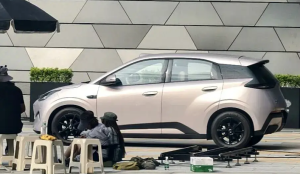
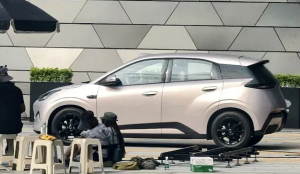
BYD has rapidly established itself as a global juggernaut in the electric vehicle (EV) industry, breaking sales records and continually updating its diverse lineup. Among its most successful offerings globally is the BYD Seagull—a compact electric hatchback that has captured significant market share due to its affordability, efficiency, and stylish design. In several markets, including Nepal, this popular model is badged and marketed as the BYD Atto 1. Building on this monumental success, recent reports indicate that the second-generation BYD Seagull (Atto 1) is set to undergo a massive transformation, bringing game-changing architectural and performance enhancements to the entry-level EV segment.

Rather than offering a simple cosmetic refresh, BYD is giving its compact EV a comprehensive engineering overhaul. The second-generation model promises to deliver substantial upgrades across the board, including a shift in drivetrain configuration, expanded vehicle dimensions, a more potent motor, and refreshed technology. Here is a closer look at what car enthusiasts and potential EV buyers can expect from the next-generation BYD Seagull.

Major Drivetrain Shift: Moving to Rear-Wheel Drive
One of the most surprising and exciting announcements regarding the second-generation BYD Seagull is its transition to a rear-wheel drive (RWD) architecture. Traditionally, compact city hatchbacks—especially budget-focused electric vehicles—utilize a front-wheel drive (FWD) setup. Front-wheel drive configurations are typically easier and cheaper to package in smaller vehicle frames, maximizing interior space while keeping manufacturing costs low.
By shifting to a rear-wheel drive layout, BYD is positioning the new Seagull/Atto 1 as a far more dynamic and engaging vehicle to drive. Rear-wheel drive inherently improves weight distribution between the front and rear axles. This change delivers sharper handling, better turn-in response, and reduced torque steer during rapid acceleration. Furthermore, transferring drive forces to the rear wheels improves traction when accelerating uphill or on slippery road surfaces, giving urban commuters a smoother and more confidence-inspiring driving experience.
Increased Body Dimensions for Superior Comfort
While the original BYD Seagull gained praise for its nimbleness in tight city streets, driver feedback often highlighted the desire for slightly more interior room and practical cargo storage. BYD has taken this feedback seriously for the second generation, expanding the hatchback’s overall physical footprint.
The upcoming iteration features a noticeably larger body size. This dimension increase directly translates to expanded cabin space, providing extra legroom and headroom for both front and rear passengers. Additionally, the expanded overall length and width allow for a larger luggage compartment, making the vehicle far more versatile for weekend trips beyond everyday city commuting. Despite these size increases, the vehicle maintains a compact profile that retains ease of parking and agility in heavy traffic.
A More Powerful Motor for Enhanced Driving Dynamics
Alongside the mechanical transition to rear-wheel drive and expanded dimensions, the second-generation BYD Seagull receives a significantly upgraded electric powertrain. The vehicle will come equipped with a larger, more powerful electric motor, replacing the modest output of the outgoing generation.
This increase in horsepower and torque provides noticeably quicker acceleration, allowing the compact EV to merge onto high-speed highways and overtake slower vehicles with greater ease. Combined with BYD’s advanced Blade Battery technology, the updated motor configuration aims to maintain optimal energy efficiency without compromising power delivery. Drivers can anticipate more responsive throttle inputs and an overall quieter, smoother cruising capability at higher speeds.
Futuristic Styling and Upgraded Cabin Technology
The overhaul of the BYD Seagull (Atto 1) extends to its visual identity and technological suite inside the cabin. The exterior is slated to feature sharper design lines, redesigned LED lighting elements, and improved aerodynamic efficiency to complement its sportier RWD stance.
Inside, drivers can expect a modernized cockpit layout centered around BYD’s signature rotating touchscreen infotainment system. Upgraded software, enhanced smartphone connectivity, advanced driver-assistance systems (ADAS), and higher-quality cabin materials are expected to elevate the premium feel of this compact hatchback. These modern touches solidify the model’s position as a forward-thinking, feature-packed EV that offers remarkable value for its price point.
Conclusion
The second-generation BYD Seagull (Atto 1) represents a bold evolution in the entry-level electric vehicle market. By incorporating a rear-wheel drive platform, enlarged physical proportions, a stronger motor, and refined interior technology, BYD is setting a higher benchmark for compact city cars. As electric vehicles continue to dominate global markets, these comprehensive upgrades ensure that the next-gen Seagull will remain a top contender for drivers seeking an affordable, fun, and highly practical daily driver.