
Last Updated on September 27, 2026 by alizni
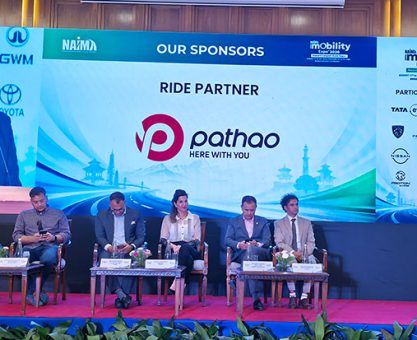
In a significant push toward regulatory ease and trade facilitation, the Nepal Automobile Importers and Manufacturers Association (NAIMA) has officially requested the Government of Nepal to revise and simplify the current agency registration rules. Representatives from NAIMA recently met with the Minister for Industry, Commerce, and Supplies, Damodar Bhandari, to present their grievances and highlight the urgent need for a more business-friendly framework within the automotive sector.

As Nepal’s automotive industry transitions through economic shifts and changing consumer preferences, stakeholders argue that outdated or overly restrictive registration procedures create unnecessary hurdles for importers, distributors, and manufacturers. NAIMA’s initiative seeks to address these administrative bottlenecks, paving the way for smoother commercial operations and enhanced investment in the local market.
The Call for Business-Friendly Agency Registration
The primary concern raised by NAIMA centers around the existing legal and procedural requirements involved in agency registration. Under current frameworks, foreign automobile brands and their local authorized representatives often face lengthy documentation routines, redundant bureaucracy, and unclear compliance guidelines. These obstacles slow down market entry for new models and technology while placing an excessive burden on established enterprises.
By urging the Ministry of Industry, Commerce, and Supplies to make the agency registration rules more business-friendly, NAIMA aims to establish an efficient system that protects consumer rights while encouraging healthy commercial activity. Simplifying these administrative steps will enable authorized dealers to establish official partnerships with global manufacturers faster, ensuring that local buyers gain access to the latest vehicle technology and genuine spare parts without unnecessary delays.
Highlights from the NAIMA Delegation Meeting
During the delegation’s meeting with Minister Damodar Bhandari in Kathmandu, NAIMA representatives detailed the specific challenges faced by businesses operating in the automotive sector. The delegation emphasized that facilitating trade in the vehicle market directly contributes to national revenue, employment generation, and infrastructure development.
Minister Bhandari listened attentively to the concerns raised by the industry body. He acknowledged the automotive sector’s critical role in Nepal’s economic ecosystem and assured the delegation that the government remains committed to supporting legitimate commercial enterprises. The Minister expressed willingness to review existing trade policies and explore necessary adjustments that align regulatory oversight with practical business operations.
Impact on Automotive Importers and Consumers in Nepal
Regulatory reforms in agency registration do not merely benefit corporate entities; they carry direct positive impacts for end consumers across the nation. When agency laws are transparent and streamlined, authorized importers can guarantee authentic manufacturer warranties, reliable supply chains for spare parts, and high-quality after-sales service.
Furthermore, simplified rules encourage global automotive manufacturers to enter the Nepalese market directly or expand their presence through official partnerships. This increased market participation drives healthy competition, giving Nepalese drivers access to better pricing, superior safety features, and modern mobility solutions, including advanced electric and hybrid vehicles.
Fostering Economic Growth and Sustainable Mobility
Nepal’s auto market is evolving rapidly, with electric mobility gaining momentum alongside traditional internal combustion engine vehicles. To keep pace with modern global automotive trends, local legislation must adapt to support rapid technological updates and sustainable transport solutions.
A modern, efficient agency registration process minimizes gray market imports, deters illegal vehicle distribution, and protects consumers from unauthorized dealers who cannot provide proper maintenance support. Strengthening formal trade channels through transparent regulation builds investor confidence, attracts foreign direct investment, and ensures predictable revenue collection for the government.
Conclusion
The initiative taken by NAIMA to advocate for modernized agency registration rules marks a crucial step toward building a resilient automotive business environment in Nepal. By working collaboratively with Minister Damodar Bhandari and the Ministry of Industry, Commerce, and Supplies, the association hopes to establish an equitable regulatory ecosystem. Streamlining these administrative processes will ultimately drive industrial growth, elevate consumer trust, and contribute positively to the overall economic development of Nepal.