
Last Updated on September 25, 2026 by alizni
Nepal’s logistics and transportation sector is currently grappling with the aftermath of a catastrophic natural disaster that has sent shockwaves through the industry. Recent reports following the devastating Bhotekoshi flood have revealed a staggering toll on human life and infrastructure. As rescue operations continue under difficult conditions, the scale of the tragedy is becoming increasingly clear, highlighting the extreme risks faced by those operating within the country’s primary supply routes.

The Scale of the Bhotekoshi Disaster
The incident, which occurred following heavy rainfall on Bhadra 10, turned the Bhotekoshi River into a destructive force. According to data consolidated by the Federation of Nepal Truck Transport Entrepreneurs, the sheer volume of water and debris managed to sweep away 338 heavy-duty cargo vehicles. These trucks and containers, which are the lifeblood of Nepal’s import-export economy, were effectively erased from the roadways in a matter of hours. The economic loss is monumental, but it pales in comparison to the human cost associated with this event.

441 Individuals Remain Missing
The most heartbreaking aspect of this tragedy involves the 441 people who are currently listed as missing. This group includes drivers, assistant drivers, and transport business representatives who were either operating or accompanying these cargo vehicles when the floodwaters breached the road networks. Despite ongoing efforts by local authorities and rescue teams, the rugged terrain and the severity of the river’s flow have severely hampered search and rescue operations. Families of the missing individuals are holding onto hope, yet the reality of the situation remains grim as days pass without contact.
Impact on Nepal’s Supply Chain
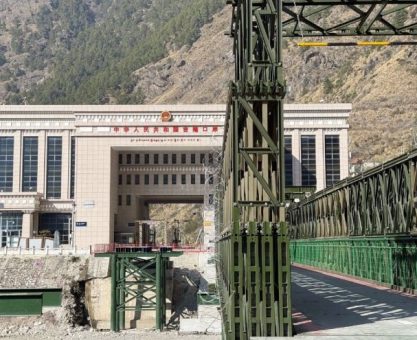
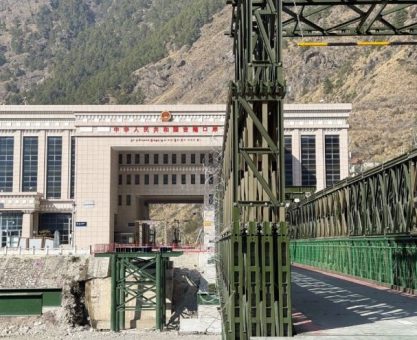
Beyond the immediate humanitarian crisis, the destruction of 338 cargo vehicles poses a long-term challenge for Nepal’s supply chain. The Bhotekoshi corridor is a vital artery for trade, particularly for goods entering from northern border points. With such a massive number of trucks destroyed, the logistics capacity of the country has been significantly diminished. Businesses are already anticipating delays in the delivery of essential goods, construction materials, and consumer products. The Federation is currently working closely with government agencies to assess the total financial impact and to determine how the transport sector can recover from such a massive loss of assets.
Safety and Infrastructure Concerns
This tragic event has reignited urgent discussions regarding the safety of transport routes in Nepal’s mountainous regions. The vulnerability of roads built alongside high-risk river corridors is a perennial issue that requires immediate attention from policymakers. Experts argue that there is a critical need for better early-warning systems, more robust road engineering, and stricter protocols for heavy vehicle movement during the monsoon season. Protecting the lives of transport workers must become a priority, ensuring that they are not unnecessarily exposed to predictable environmental hazards.
A Call for Urgent Support
The transport community is currently in a state of mourning and uncertainty. As the Federation continues to collect data from its member organizations, the focus remains on supporting the affected families and lobbying for government assistance. The road to recovery for the transport sector will be long, requiring both financial aid and a strategic overhaul of how Nepal manages its vital trade routes during extreme weather events. The nation stands in solidarity with the families of the missing, hoping for answers while acknowledging the immense fragility of life in the face of nature’s fury.
In conclusion, the Bhotekoshi flood serves as a somber reminder of the dangers inherent in Nepal’s geography. With hundreds of lives still unaccounted for and a massive portion of the nation’s commercial fleet destroyed, the impact of this disaster will be felt for years to come. It is a critical moment for the government and the private sector to collaborate on safer infrastructure and better emergency response protocols to prevent such a tragedy from recurring.