Last Updated on September 21, 2026 by alizni
The Indian automotive landscape is undergoing a massive transformation. As global energy markets remain volatile and traditional fuel prices continue to climb due to geopolitical tensions in the Middle East, Indian car manufacturers are pivoting rapidly toward sustainable mobility. The message from the industry is clear: the future of driving in India is electric, and the next few months promise to be a pivotal chapter in this transition.

The Strategic Shift to Electric Mobility
For years, the Indian automobile sector was dominated by internal combustion engines. However, the recent surge in fuel costs has acted as a catalyst, forcing both consumers and manufacturers to rethink their dependency on fossil fuels. This shift is not just a trend; it is a strategic business pivot. Major Indian automakers have reported that their electric vehicle (EV) sales have effectively doubled compared to the previous year, signaling a robust appetite for cleaner, more efficient transportation options among the Indian middle class.

Manufacturers are no longer treating electric vehicles as a niche segment. Instead, they are integrating electrification into their core product roadmaps. By focusing on small and compact models, these companies are targeting the high-volume urban markets where compact cars thrive. This accessibility is key to mass adoption, as it addresses both the price sensitivity of the consumer and the practical needs of city commuting.
Five New Models Set to Hit the Road
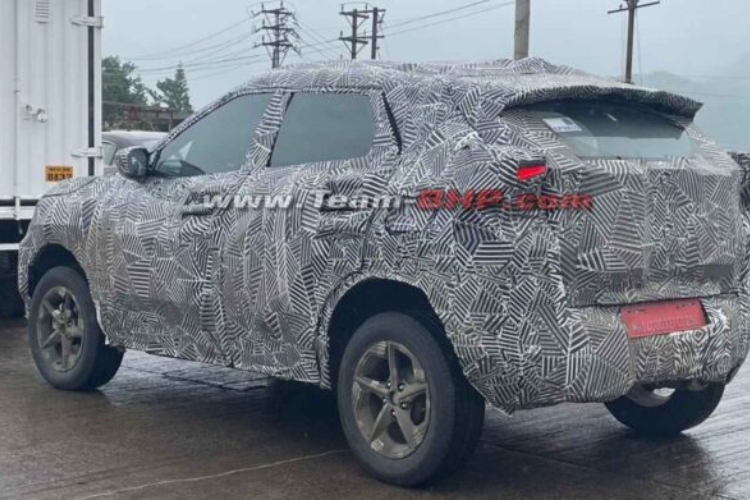
Industry insiders are buzzing with the news that five new EV models are currently in the pipeline. While specific specifications remain under wraps, the industry consensus suggests these vehicles will prioritize range, affordability, and smart-tech integration. The focus on compact designs is particularly notable, as it allows manufacturers to optimize battery efficiency while keeping the price point competitive against traditional petrol and diesel hatchbacks.
These upcoming models are expected to feature advanced battery management systems and faster charging capabilities, addressing the two primary concerns of potential EV buyers: range anxiety and charging downtime. By launching these five models, Indian automakers aim to capture a significant portion of the burgeoning market before international competitors can establish a stronger foothold.
Rising Fuel Costs and Consumer Behavior
The economic impact of the Middle East conflict has rippled through global oil markets, leading to unpredictable spikes in petrol and diesel prices in India. For the average commuter, the cost of ownership for a traditional vehicle has become a significant financial burden. This economic pressure has directly fueled the interest in EVs, which offer a much lower cost per kilometer.
Beyond just the operational savings, there is a growing environmental consciousness among younger urban buyers. Combined with government incentives and a gradually improving charging infrastructure, the barrier to entry for EVs has never been lower. As consumers compare the long-term savings of an electric car against the volatile costs of fuel, the decision to switch is becoming increasingly logical rather than just emotional.
Looking Ahead: The Future of Indian Roads
The surge in EV production marks a historic moment for the ‘Make in India’ initiative. By localizing the production of batteries and electric powertrains, these automakers are not only reducing their reliance on imports but are also creating a new ecosystem for automotive engineering and technology. As these five new models prepare for their debut, the industry is bracing for a highly competitive year.
The rapid expansion of the EV market is expected to create thousands of jobs, improve air quality in major metropolitan hubs, and position India as a key player in the global electric vehicle supply chain. While challenges such as charging infrastructure development remain, the momentum is undeniably in favor of electrification.
In conclusion, the transition to electric vehicles in India is no longer a distant goal—it is happening right now. With five new models poised to enter the market, consumers will soon have more choices than ever before. As the industry continues to innovate, the combination of economic necessity and technological progress will ensure that electric vehicles become a common sight on Indian roads in the very near future.