
Last Updated on December 14, 2025 by Asmita KC

The EV launch trend is reshaping the automotive industry worldwide. With rising environmental awareness, government incentives, and rapid technological advancements, electric vehicles (EVs) are becoming a mainstream choice for consumers and businesses alike. From hatchbacks and SUVs to two-wheelers and commercial vehicles, the EV market is growing faster than ever, signaling a sustainable future for mobility.
Rise of Electric Vehicles Globally
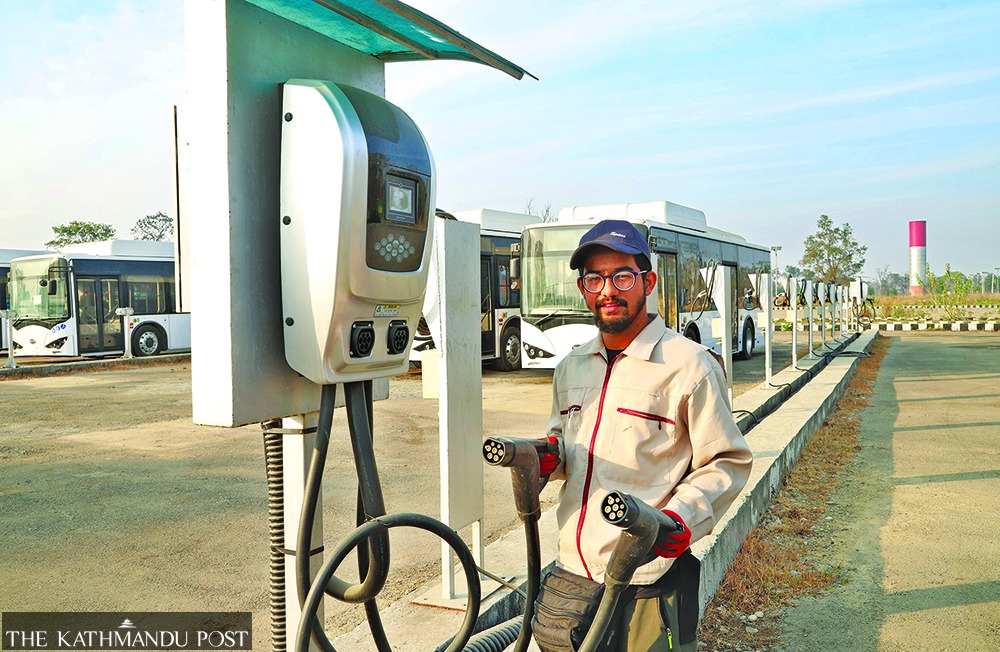
Electric vehicles have gained immense popularity in the last decade, thanks to advancements in battery technology, expanding charging infrastructure, and increasing awareness about climate change. Countries like Norway, China, and the United States are leading the EV adoption curve, setting a model for other regions.
Governments worldwide are offering incentives such as tax benefits, subsidies, and lower registration fees to encourage EV adoption. These policies have accelerated the EV launch trend, with automakers investing heavily in new electric models.
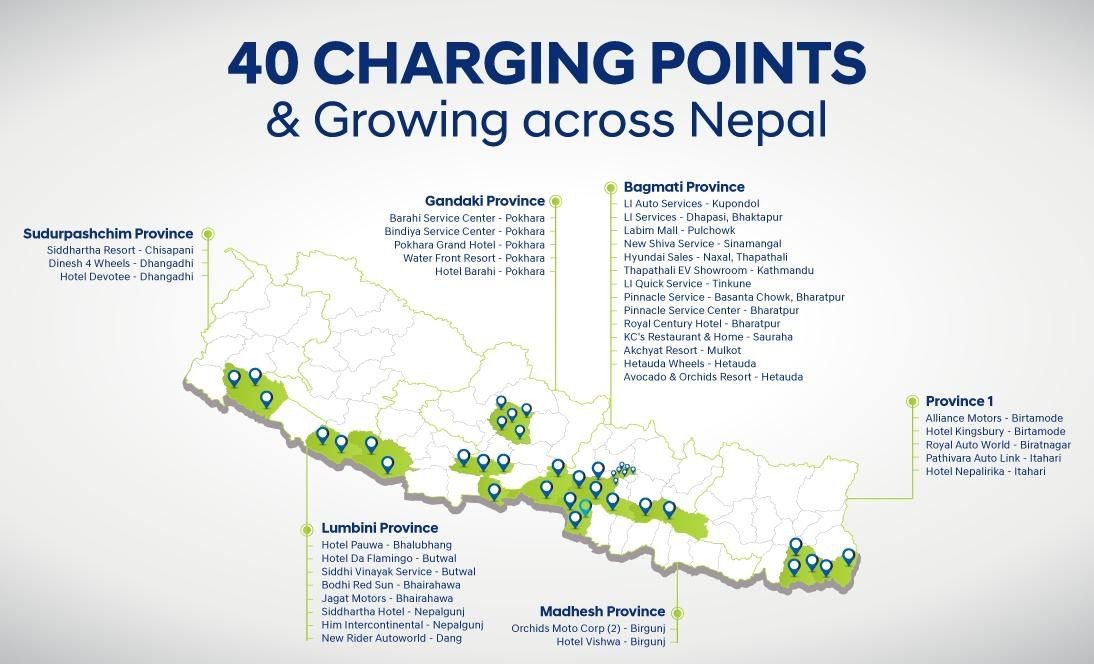
Internal link suggestion: Explore the top electric cars to buy in Nepal
Key Factors Driving the EV Launch Trend
Environmental Awareness
With climate change and rising pollution levels, consumers are seeking eco-friendly alternatives. EVs produce zero tailpipe emissions, making them a preferred choice for environmentally conscious buyers. Manufacturers are responding with a steady stream of EV launches across multiple vehicle segments.
Government Policies and Incentives
Incentives like subsidies, tax credits, and lower registration fees are key drivers of the EV market. For example, India’s FAME (Faster Adoption and Manufacturing of Hybrid and Electric Vehicles) scheme has encouraged more EV launches. Similarly, European countries are pushing automakers to release electric models in line with strict emission regulations.
External link suggestion: Global EV Outlook 2025 – IEA
Technological Advancements
Battery technology is evolving rapidly, allowing longer driving ranges and faster charging. Lithium-ion, solid-state batteries, and other innovative solutions are reducing costs while improving performance. These advancements make EVs more appealing and are fueling the continuous EV launch trend.
Consumer Demand for Innovation
Modern buyers expect vehicles with advanced features like autonomous driving, infotainment systems, and connected car technology. Automakers are differentiating their EV launches by incorporating these innovations, creating high consumer interest.
Popular EV Segments in Recent Launches
The EV market is expanding across various segments to meet different consumer needs:
Electric Hatchbacks and Sedans
Compact EVs and sedans are ideal for urban commuting due to their efficiency and affordability. Brands like Hyundai, Nissan, and Tata Motors have launched several models catering to city drivers.
Electric SUVs
Electric SUVs are increasingly popular, offering longer ranges and spacious interiors. Companies like Tesla, Kia, and MG are expanding their EV lineup to include premium and mid-range electric SUVs.
Electric Two-Wheelers
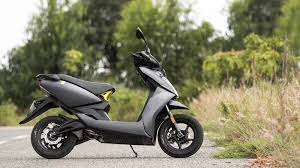
Two-wheelers are crucial in countries like India and Southeast Asia. Electric scooters and motorcycles provide cost-effective, eco-friendly options for short-distance travel. Recent launches focus on better battery life, faster charging, and improved performance.
Commercial EVs
Commercial vehicles like buses, vans, and trucks are also undergoing electrification. Fleet operators are adopting EVs to reduce operational costs and meet emission regulations. Global manufacturers are planning multiple commercial EV launches in the near future.
Regional Trends in EV Launches
North America
The U.S. has seen a surge in EV launches, led by Tesla, Rivian, and traditional automakers like Ford and GM. California remains a hotspot for electric mobility due to strong incentives and consumer awareness.
Europe
Europe leads the EV market with countries like Germany, Norway, and the UK introducing multiple new electric models. Automakers are investing heavily in EV research and development to comply with EU emission regulations.
Asia-Pacific
China dominates the global EV market with companies like BYD, NIO, and XPeng leading the EV launch trend. India and Southeast Asia are witnessing a rise in electric vehicle launches, supported by government policies and urbanization.
Challenges in the EV Launch Trend
Despite rapid growth, several challenges remain:
- Charging Infrastructure: Fast and reliable charging stations are crucial for adoption.
- Battery Costs: High costs still make EVs more expensive than conventional vehicles.
- Range Anxiety: Consumers worry about limited driving range, especially in regions with fewer charging points.
- Supply Chain Issues: Shortages of lithium and cobalt can delay EV production and launches.
Governments and automakers are addressing these challenges through infrastructure expansion, battery recycling programs, and strategic collaborations.
Future Outlook of EV Launches
The EV launch trend is expected to accelerate in the coming years. Analysts predict that electric vehicles could make up a significant portion of global automotive sales by 2030. Upcoming trends include:
- Battery Innovation: Faster charging, longer range, and reduced costs.
- Autonomous EVs: Integration of self-driving technology.
- Sustainable Manufacturing: Eco-friendly production and component recycling.
- Shared Mobility: Growth of electric ride-sharing services and subscription-based models.
Conclusion
The EV launch trend represents a transformative shift in the automotive industry. With rising consumer demand, supportive government policies, and technological advancements, electric vehicles are set to dominate the future of mobility. From compact hatchbacks to SUVs and commercial vehicles, the market is witnessing a wave of innovation and sustainability.
Staying updated on the latest EV launches is essential for consumers, businesses, and stakeholders looking to be part of this green revolution.