
Last Updated on September 21, 2026 by alizni
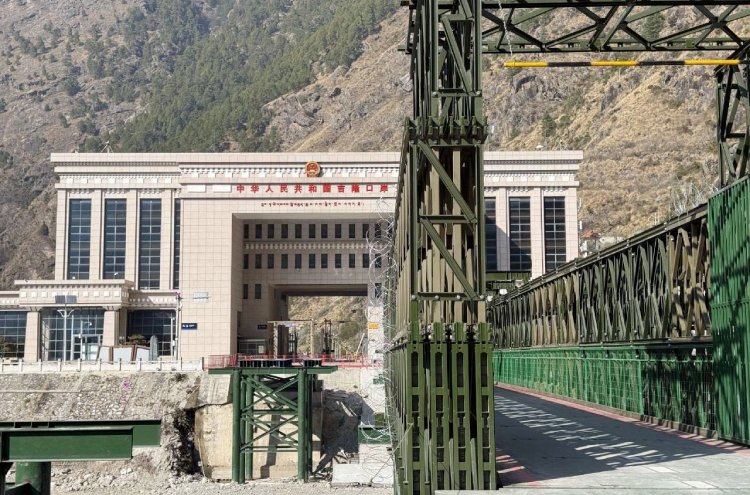
The Rasuwagadhi border point, long celebrated as Nepal’s primary artery for trade with China, is currently facing an existential threat. For the second consecutive year, the region has been devastated by extreme weather events, specifically catastrophic flooding along the Bhotekoshi River. What was once a bustling center for cross-border commerce has transformed into a precarious landscape of damaged infrastructure, stranded cargo, and stalled economic activity.

The Anatomy of the Disaster
The recent deluge has done more than just disrupt transit; it has effectively crippled the logistical heart of the region. Spanning nearly 70 kilometers, the floodwaters have decimated critical infrastructure, including major roads and vital bridges that facilitate the movement of goods between the two nations. The sheer scale of the destruction has left customs offices non-functional and transport routes impassable, turning the border area into what many are now calling a dangerous, stagnant “parking zone” for freight vehicles that have nowhere to go.

Hydropower Infrastructure Under Siege
Beyond the immediate impact on trade and logistics, the floods have dealt a significant blow to Nepal’s energy sector. The Bhotekoshi river corridor is home to numerous hydropower projects that are essential for the country’s electricity grid. Reports indicate that plants with a combined capacity of approximately 450 megawatts have been severely affected. For a nation striving for energy independence and economic growth, the loss of this power generation capacity is a devastating setback that will require years of rehabilitation and significant financial investment to rectify.
Supply Chain and Economic Consequences
The ripple effects of the Rasuwagadhi closure are felt across Nepal’s entire economy. As the largest land-based trade point, its operational status is directly tied to the availability of imported goods, raw materials, and consumer products. When the flow of traffic grinds to a halt due to natural disasters, the immediate result is an increase in inflationary pressure and a disruption of supply chains for local businesses. Truckers and logistics companies are left in a state of limbo, with their vehicles trapped in a high-risk zone where the threat of further landslides and flooding remains persistent, exacerbating the logistical nightmare for the entire import-export sector.
Looking Ahead: The Need for Resilient Infrastructure
The recurring nature of these disasters highlights a critical vulnerability in Nepal’s infrastructure planning. Relying on trade routes situated in geologically sensitive and flood-prone corridors demands a more robust approach to climate-resilient engineering. As the country looks toward rebuilding, the focus must shift from simple repairs to long-term sustainability. Authorities must consider advanced flood mitigation strategies, reinforced bridge designs, and perhaps even alternative transit corridors to ensure that the nation’s trade backbone is not severed every time the monsoon season intensifies.
In conclusion, the situation at the Rasuwagadhi border is a sobering reminder of the intersection between climate change and economic stability. While the immediate priority remains the restoration of essential services and the clearing of trade routes, the long-term challenge lies in fortifying this vital gateway against the unpredictable forces of nature. Without a fundamental change in how these border zones are maintained and protected, the risk of future economic paralysis remains uncomfortably high.