
Last Updated on September 22, 2026 by alizni
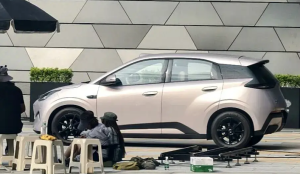
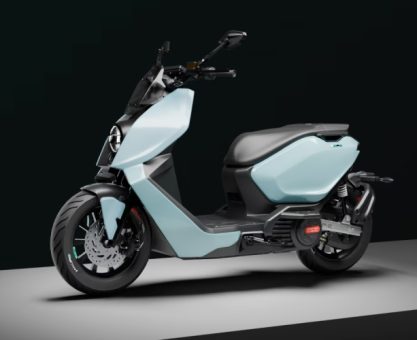
The automotive landscape in India is undergoing a seismic shift. As global energy markets face instability and domestic fuel costs continue to climb, Indian manufacturers are rapidly realigning their production strategies. The era of internal combustion engine dominance is being challenged, with major players now betting big on an electric future. With five new small and compact electric vehicle (EV) models slated for launch, the market is poised to become one of the most competitive EV landscapes in the developing world.

The Rising Demand for Electric Mobility
The transition toward electric mobility in India is no longer a niche trend; it has become a necessity for both consumers and manufacturers. Recent geopolitical tensions in the Middle East have caused significant volatility in crude oil prices, impacting the cost of petrol and diesel at the pump. For the average Indian commuter, the rising cost of traditional fuel has made the long-term savings of an electric vehicle look increasingly attractive.

This consumer sentiment is reflected in the latest sales data, which shows that most domestic automakers have seen their electric vehicle sales double compared to the previous year. As charging infrastructure slowly expands and government incentives remain in place, the barrier to entry for EV ownership is lowering, creating a perfect storm for mass-market adoption.
Focusing on Compact and Affordable EVs
While the luxury EV segment has seen some activity, the real battleground for the Indian market lies in the small and compact car categories. Indian buyers have historically favored hatchbacks and compact SUVs due to their practicality in dense urban environments and their price accessibility. Recognizing this, manufacturers are prioritizing these form factors for their upcoming electric lineups.
By focusing on compact models, automakers are effectively addressing the two biggest pain points for potential buyers: price and range anxiety. Compact EVs are generally lighter, requiring smaller, more affordable battery packs, which helps manufacturers keep the showroom price competitive. These vehicles are designed specifically for the Indian road, offering enough range for daily city commutes while remaining nimble enough to navigate heavy traffic.
Strategic Shifts in Manufacturing
The commitment to electrification is not just about launching new products; it is about a fundamental change in manufacturing philosophy. Indian carmakers are investing heavily in localized supply chains to reduce dependence on imported components. By building the battery ecosystem domestically, these companies are insulating themselves from the volatile costs of global logistics and raw material price spikes.
Furthermore, the push for these five new models signals a move toward modular platforms. By utilizing a single platform that can house various battery sizes and body styles, companies can achieve economies of scale much faster. This strategic pivot ensures that as demand grows, the manufacturers can scale production rapidly without the need for entirely new factory layouts for every model.
The Road Ahead for the Indian Auto Industry
As we look toward the next few years, the influx of these new models will likely transform the way Indians perceive transportation. The convergence of rising fuel costs and an expanded variety of electric options means that for many families, their next car purchase will likely be an electric one. While infrastructure challenges remain, the proactive stance taken by Indian automakers provides a strong foundation for a cleaner, more sustainable automotive future.
The race is on, and the winners will be the brands that can best balance affordability, range, and build quality. As these five models hit the market, they will not only represent a technological advancement but a vital step in India’s journey toward energy independence and environmental sustainability.
In conclusion, the surge in electric vehicle development by Indian manufacturers is a direct response to a changing global economy. With rising fuel prices acting as a catalyst, the industry is accelerating its transition, offering consumers practical and affordable options that promise to reshape the nation’s roads for years to come.