
Last Updated on September 21, 2026 by alizni
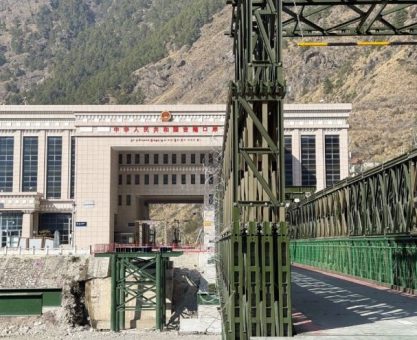
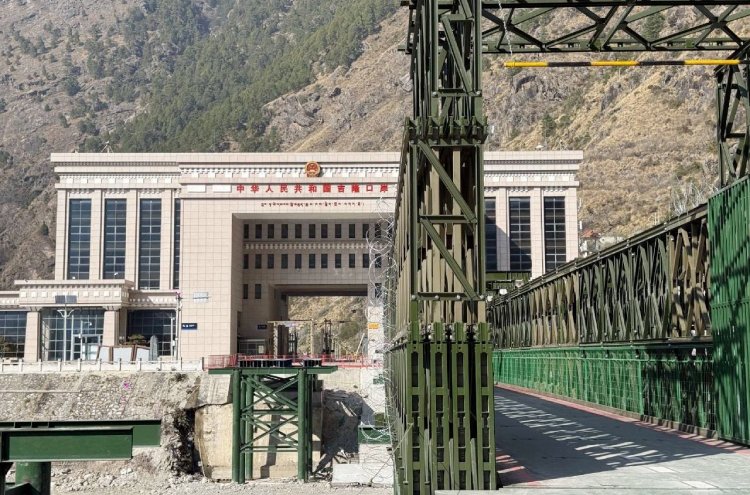
The Rasuwagadhi border point, serving as a critical commercial artery between Nepal and China, has once again suffered catastrophic damage following a severe natural disaster. For the second consecutive year, heavy flooding along the Bhotekoshi River has triggered widespread destruction across a 70-kilometer corridor, crippling vital trade routes, destroying critical infrastructure, and shutting down essential economic operations. What was once envisioned as a bustling northern transit gateway is increasingly being viewed as a precarious zone fraught with physical and logistical hazards.

The recent flood surge from the Bhotekoshi River has inundated crucial transit hubs, washed away connecting highways, damaged customs facilities, and impacted surrounding settlements. Beyond the immediate transportation grid, the surge has severely compromised major energy assets along the river basin, threatening both national trade stability and regional power supply networks.

Devastating Impact on Nepal-China Trade Hub
Rasuwagadhi stands as Nepal’s primary land route for cross-border commerce with China. Over recent years, thousands of container trucks carrying electronics, apparel, industrial machinery, and raw materials have relied on this northern corridor to enter Nepalese markets. However, recurring disasters have repeatedly brought transit activities to a complete standstill.
When flooding strikes this rugged mountain pass, cargo vehicles are left stranded on high-risk access corridors, effectively turning the border zone into a stagnant staging area. Importers and exporters face mounting financial losses due to damaged goods, delayed delivery timelines, and sky-rocketing freight detention charges. The instability of this key trade gateway not only disrupts supply chains across Nepal but also undermines long-term commercial confidence in cross-border trade operations with China.
Severe Infrastructure Damage Along Bhotekoshi River
The geographical reality of the Bhotekoshi corridor makes it uniquely susceptible to extreme hydrological events. The sheer force of the floodwaters over a 70-kilometer stretch has decimated essential physical infrastructure, including concrete bridges, hillside retaining walls, and multi-lane road segments vital for heavy transportation.
Key administrative installations, including local customs yards and immigration check posts, have suffered extensive physical damage. With administrative infrastructure compromised, processing international freight becomes nearly impossible, even if temporary vehicular tracks are established. Repairing these remote border corridors requires significant time, capital, and technical resources, leaving local communities and transport operators isolated during peak monsoon periods.
Hydropower Sector Hit Hard by Sudden Flooding
In addition to trade and transport disruptions, the Bhotekoshi river basin is a high-density cluster for hydroelectric energy generation in Nepal. The recent disaster has damaged hydropower plants along the river with a combined installed capacity of approximately 450 megawatts.
Flooding carries immense sediment loads, massive boulders, and debris that breach intake dams, damage powerhouses, and ruin electrical equipment. When projects generating 450 megawatts are knocked offline simultaneously, the impact reverberates across the national energy grid. Power developers face immense financial strain from direct asset destruction and lost generation revenue, while energy authorities must balance supply shortages caused by sudden project shutdowns.
Long-Term Challenges and Strategic Roadways Safety
The recurrent nature of these catastrophes highlights a deeper challenge: the vulnerability of mountain infrastructure in the face of climate volatility and fragile geology. Experiencing major flood disasters in consecutive years indicates that temporary fixes and seasonal patch-ups are no longer sufficient to keep the Rasuwagadhi trade route open.
Engineers, policy planners, and environmental experts emphasize the urgent need for climate-resilient infrastructure. Building safer elevated roadways, reinforced slope retention structures, and modern early warning systems will be essential if this high-risk zone is to remain a viable trade and power corridor. Without comprehensive structural upgrades and long-term spatial planning, the economic lifeline between Nepal and China will remain exposed to perpetual disruption.
Conclusion
The recent Bhotekoshi River flood serves as a stark reminder of the fragile balance between critical infrastructure development and natural hazards in high-altitude zones. Restoring the Rasuwagadhi border point, rebuilding ruined hydropower facilities, and securing trade routes will require coordinated action and substantial investment. To protect national supply chains and energy security, authorities must prioritize durable, disaster-resilient engineering solutions over temporary measures.