

Last Updated on September 21, 2026 by alizni
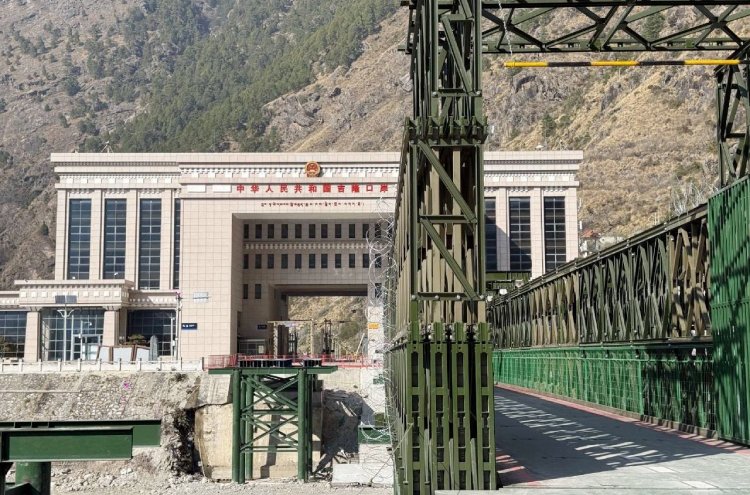
The Rasuwagadhi border point, long hailed as the primary gateway for trade between Nepal and China, is currently facing an existential crisis. For the second consecutive year, the region has been devastated by severe flooding along the Bhotekoshi River, transforming what should be a bustling economic hub into a precarious and stagnant “parking zone.” This recurring cycle of destruction has not only crippled the flow of goods but has also exposed the deep-seated vulnerabilities of Nepal’s northern trade infrastructure.

The Anatomy of a Trade Bottleneck
When the Bhotekoshi River overflows, it acts as an immediate disruptor to the supply chain. The recent surge in water levels has wreaked havoc on essential transport corridors, effectively isolating towns and making the transit of heavy cargo impossible. For logistics companies and traders, the border has become a graveyard for stranded vehicles. Instead of facilitating the seamless movement of imports, the area is clogged with trucks waiting for weeks, sometimes months, for road conditions to stabilize. This inefficiency places an enormous financial burden on the private sector, as cargo delays lead to spoilage of perishable goods and skyrocketing operational costs.

Infrastructure Damage and Hydropower Impact
The damage extends far beyond the customs office and the physical border crossing. The flooding has caused catastrophic failures in critical infrastructure, including bridges and arterial roads that connect the border to the rest of the country. Perhaps most concerning is the impact on the energy sector. Reports indicate that hydropower projects with a combined capacity of approximately 450 megawatts have been severely affected. Given that these projects are spread across a 70-kilometer stretch, the destruction is widespread, threatening the stability of Nepal’s national power grid. The loss of these plants represents a massive setback for the nation’s energy independence and economic development goals.
The Long-Term Risks of Relying on Rasuwagadhi
The persistent nature of these natural disasters raises serious questions about the sustainability of Rasuwagadhi as the primary trade artery. Relying on a geographical location that is prone to recurring floods, landslides, and seismic instability requires a robust risk-mitigation strategy that is currently lacking. Without significant investment in resilient engineering—such as elevated bridges, reinforced riverbanks, and improved early-warning systems—the border point will remain a liability. Experts are now calling for a comprehensive reassessment of how Nepal handles its northern trade logistics, suggesting that reliance on a single point of entry creates a dangerous “single point of failure” for the entire national economy.
A Call for Strategic Resilience
Moving forward, the government must prioritize climate-resilient infrastructure. The current reactive approach, where authorities scramble to clear roads only after the damage is done, is no longer sufficient. Long-term solutions involve better geological mapping, strict zoning regulations for construction near the Bhotekoshi, and perhaps diversifying trade routes to reduce the pressure on the Rasuwagadhi corridor. Until these structural changes are implemented, the border will continue to function as a risky parking zone rather than a thriving trade hub. The economic future of the region depends on transforming this vulnerability into a well-planned, durable logistics network capable of withstanding the unpredictable forces of nature.
In conclusion, the situation at Rasuwagadhi is a wake-up call for policymakers. While the immediate focus must remain on disaster relief and restoring connectivity, the long-term objective must be to build a trade infrastructure that can survive the realities of climate change. Only through proactive investment and strategic planning can Nepal ensure that its vital link to China remains open, reliable, and safe for all stakeholders involved.