Last Updated on September 21, 2026 by alizni
The automotive landscape is undergoing a massive transformation, and Toyota is proving that battery electric vehicles (BEVs) aren’t the only solution for a greener future. The Japanese automaker has officially confirmed that it is moving forward with the development of a hydrogen-powered version of its legendary Hilux pickup, with a projected market launch set for 2028. This move signals a significant step in Toyota’s multi-pathway strategy to decarbonize the transport sector, particularly for heavy-duty and utility-focused vehicles.

Expanding the Hilux Legacy with Fuel Cell Technology
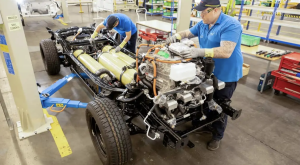
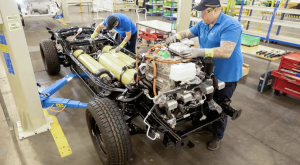
The Toyota Hilux has long been considered one of the most reliable and rugged vehicles on the planet. By integrating hydrogen fuel cell electric vehicle (FCEV) technology into this iconic platform, Toyota aims to provide a zero-emission alternative that does not compromise on the Hilux’s signature durability. Unlike traditional BEVs, which rely on heavy battery packs that can reduce payload capacity, hydrogen fuel cells offer a lightweight, high-energy-density solution. This makes the technology particularly well-suited for work trucks that require long range and high towing capabilities.

This new FCEV model will sit alongside existing powertrain options in the European market, including mild-hybrid diesel variants and upcoming battery-electric configurations. By offering a diverse range of powertrains, Toyota is catering to a wide spectrum of customer needs—from urban commuters to construction fleets that operate in remote areas where charging infrastructure may be sparse.
Performance Targets and Real-World Utility
One of the primary concerns for fleet operators and off-road enthusiasts when considering alternative fuels is the driving range. Toyota has addressed these concerns head-on, announcing that the hydrogen-powered Hilux is being engineered to achieve a range of approximately 400 kilometers on a single tank. While this may seem conservative compared to diesel, it represents a substantial leap for hydrogen-powered utility vehicles, offering sufficient capacity for most daily commercial operations.
Furthermore, hydrogen refueling is significantly faster than recharging a large battery, mimicking the convenience of traditional liquid fuels. For businesses that cannot afford hours of downtime while a truck sits at a charging station, the FCEV Hilux provides a compelling logistical advantage. The vehicle will leverage the same core technology currently utilized in the Toyota Mirai, a proven platform that has demonstrated the reliability of hydrogen fuel cells in real-world conditions over the past decade.
The Future of Hydrogen in Global Markets
Toyota’s commitment to the 2028 timeline suggests that the company is confident in the maturation of hydrogen infrastructure. While the hydrogen economy is still in its infancy compared to the established EV charging network, the push for green hydrogen production by major industrial nations is expected to lower costs and increase availability over the next few years.
By launching a hydrogen-powered pickup, Toyota is positioning itself as a leader in the industrial shift toward carbon neutrality. The Hilux FCEV is not just a technological experiment; it is a strategic product designed to maintain Toyota’s dominance in the global pickup market while meeting increasingly stringent emissions regulations. As the world moves toward 2030, the ability to offer a zero-emission workhorse that can perform in harsh climates and heavy-duty environments will become a critical differentiator for global automakers.
Conclusion
The announcement of the hydrogen-powered Toyota Hilux for 2028 is a landmark moment for the automotive industry. It reinforces the idea that there is no ‘one size fits all’ approach to sustainable mobility. As Toyota continues to refine its fuel cell technology, the Hilux FCEV stands to become a vital tool for industries looking to reduce their carbon footprint without sacrificing the rugged utility that the nameplate is famous for. As we approach the 2028 launch date, all eyes will be on how this innovative pickup handles the demands of real-world commercial usage.