

Last Updated on September 21, 2026 by alizni
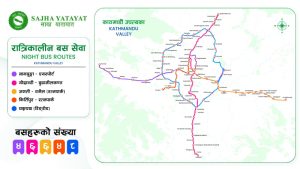
Navigating the bustling streets of the Kathmandu Valley after dark has historically been a challenge for residents, workers, and travelers alike. However, a significant shift in urban mobility is underway. Local authorities have officially announced the expansion of night bus services, bringing reliable public transportation to six strategic routes across the valley. This move marks a major milestone in improving late-night connectivity for one of Nepal’s most rapidly growing metropolitan areas.

A Strategic Expansion for Urban Connectivity
The initiative initially kicked off on April 14, focusing on the vital Nagdhunga-Airport and Lagankhel-Budhanilkantha corridors. Following the successful reception of these pilot routes, municipal leaders from Kathmandu Metropolitan City, Lalitpur Metropolitan City, Chandragiri Municipality, and Budhanilkantha Municipality collaborated to scale the project. By adding four additional routes this past Saturday, the network now provides a more comprehensive web of transit options that cater to the diverse needs of the valley’s inhabitants.

The expansion is designed to bridge the gap between daytime transit availability and the needs of those working late shifts, students attending evening classes, and visitors exploring the city’s vibrant nightlife. For many, this development removes the reliance on expensive private taxis, offering a safer and more affordable alternative for getting home during off-peak hours.
Why Reliable Night Transit Matters
The lack of consistent public transport at night has long been a barrier to economic activity and social engagement in Kathmandu. By implementing these six routes, the city is not just moving people; it is stimulating the local economy. When workers have a reliable way to commute home, businesses can extend their operating hours with confidence, knowing their staff can reach their destinations safely.
Furthermore, the integration of these routes reflects a modern approach to urban planning. As the Kathmandu Valley continues to face traffic congestion and environmental pressures, encouraging the use of public buses over private vehicles is a necessary step toward sustainability. A well-functioning night bus system reduces the number of private cars and motorcycles on the road, contributing to a smoother traffic flow and a reduction in carbon emissions during the quieter, yet essential, night hours.
What This Means for Daily Commuters
For the average commuter, the expanded service represents a newfound sense of freedom. Whether you are finishing a late shift in the city center or returning from a social gathering in the suburbs, the expanded network aims to minimize wait times and maximize coverage. Coordination between the various municipalities involved ensures that these buses are not merely isolated services but part of a cohesive transit strategy aimed at making the valley more accessible.
Authorities have emphasized that safety and frequency remain the top priorities. By monitoring the passenger load and feedback from the public, the participating municipalities hope to refine the schedules further. This data-driven approach ensures that the service remains relevant and efficient, adapting to the actual travel patterns of those who rely on public transport after the sun goes down.
Looking Toward the Future of Valley Transit
The expansion to six routes is likely just the beginning. As the Kathmandu Valley continues to evolve into a more interconnected metropolitan hub, the demand for 24/7 or extended-hour transit will only increase. This project serves as a test case for future urban infrastructure developments. If the public embraces these night services, it may pave the way for additional routes, better bus infrastructure, and perhaps even the integration of digital ticketing systems to make the experience seamless.
The collaborative effort between the metropolitan cities and municipalities highlights a shared vision for a more inclusive Kathmandu. By prioritizing the needs of everyday commuters and investing in public infrastructure, these local governments are setting a positive precedent for urban development in Nepal.
In conclusion, the expansion of the night bus service is a welcome development that significantly enhances the quality of life in the Kathmandu Valley. By providing safer, affordable, and more reliable transport options, the city is taking a concrete step toward becoming a more accessible and vibrant place for everyone, regardless of the hour.